








Last year, the Supreme Court ruled in a 6-3 decision that cities are allowed to enforce bans on sleeping in public streets, alleyways, parks, sidewalks, and even vehicles. Those who violate the ordinances can face fines and, in some cases, jail time.
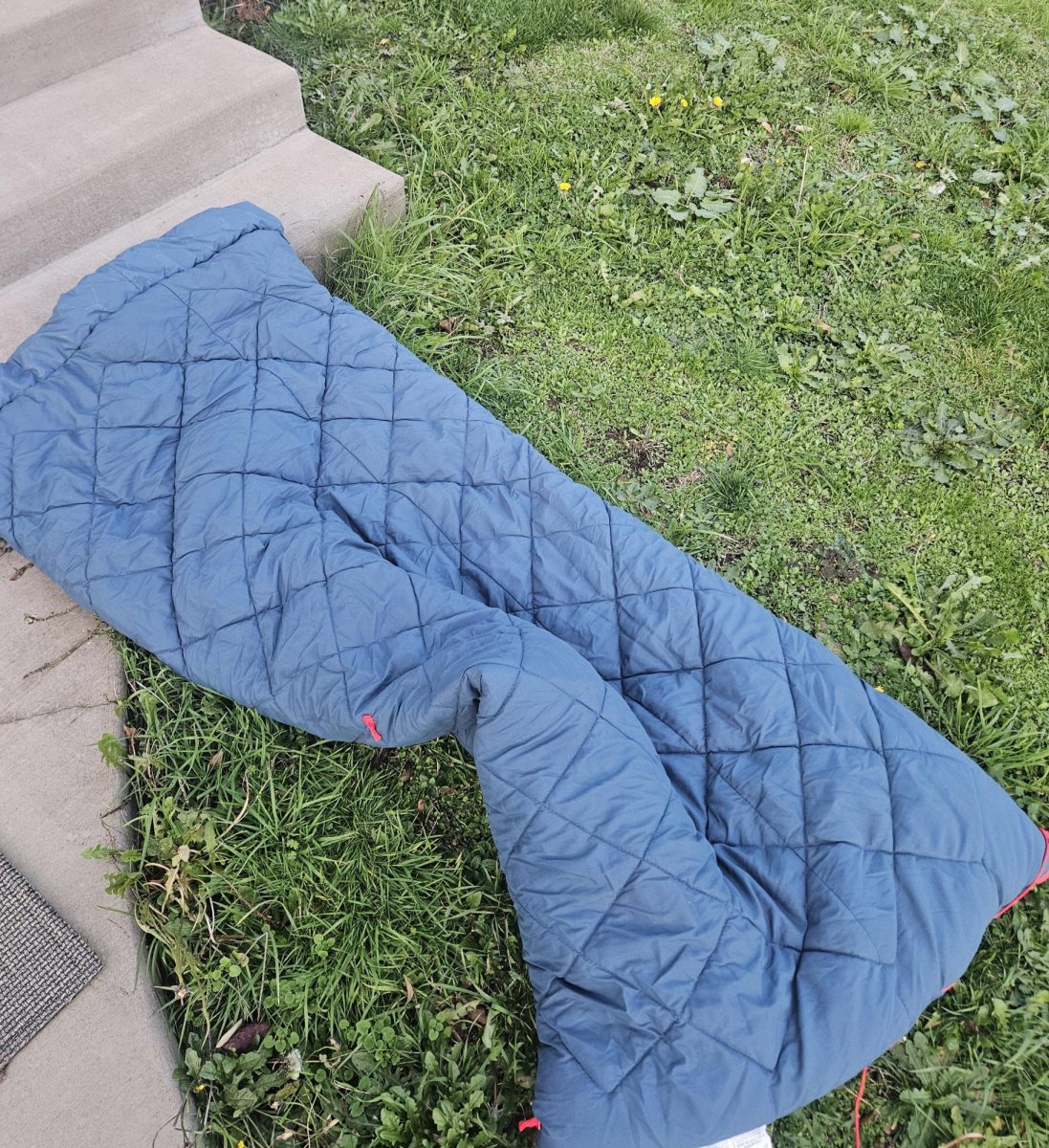
The Court upheld local ordinances that ban camping, which is defined as “any place where bedding, sleeping bag, or other material used for bedding purposes, or any stove or fire is placed.” This means almost any form of defense against the elements can be considered camping and subject to enforcement.
The ruling has drawn criticism from human rights activists, who argue it criminalizes sleeping and violates the Eighth Amendment which states that, “Excessive bail shall not be required, nor excessive fines imposed, nor cruel and unusual punishments inflicted.” Activists believe the choice facing the homeless is cruel and unusual and therefore unconstitutional.
“It is hard to imagine a starker example of excessive punishment than fining and jailing a person for the basic human act of sleeping,” said Scout Katovich, staff attorney in the Trone Center for Justice and Equality.
Critics also highlight a particularly divisive aspect of the decision: the Court ruled that cities are not required to provide homeless people with shelter before issuing fines. This creates problems: people often have nowhere to stay to avoid fines, many cannot pay, and jail sentences for minor offenses can fill prisons with nonviolent offenders.
“I believe if they are going to be upset and try to punish people for sleeping in public, the city should be required to have shelters in place for people to stay.” Says Brayson Roethler, a Wilsonville senior.
However, this ruling was passed due to many living in the city being tired of the human waste, drug use, and spread of disease that occur in these homeless encampments. Fires from homeless camps have been known to cause structural damage to city property, and city officials believe the outlawing of camps will push people to seek rehabilitation programs.
In the end, there is no simple solution. Some cities have offered assistance such as drug rehabilitation programs and temporary shelter, but these efforts have not significantly reduced homelessness. This new ruling worries critics that fear that enforcing bans without providing adequate alternatives could lead to more fines and higher incarceration rates among nonviolent offenders.