







Gun violence has become a frequent headline in the United States over the past decade, and continues to be a spotlight of American ignorance to this day. According to CNN, there have been 77 school shootings just in 2025, leaving 32 individuals dead, and at least 121 victims injured. We hear about these instances all the time – and there are conversations to be had, but conversations aren’t a substitute for real change.
Moses Lake, Washington, 1996: a young girl opened fire on her classmates. West Paducah, Kentucky, 1997: students were shot during morning prayer. Even in our own backyard — Springfield, Oregon: two killed, 25 injured, and more than 1,000 students traumatized for the rest of their lives. None of these were big cities; in fact, they were towns similar in size to ours. These events should be a wakeup call to lawmakers and voters in our country.
AP US History teacher, Michael Esqueda, explains the issue with discussing school violence, “I think that when you talk about those things you’re giving those individuals types of ideas, and I just don’t see much good in a Band-Aid, rather than actually addressing the underlying mental health. However, I think there are some restrictions or regulations to be put in place to help those things.”
Mental health issues are often cited as a factor for this phenomenon, but without strong policy change these explanations do little to stop future violence.
The West-Linn Wilsonville school district has protocol in place in case of these events. Not only are schools required to hold safety drills regularly, but the district employs two school resource officers (SRO’s) to ensure safety. Local Police Officer R. Rodgers states that “Officers who work during the day tend to work closely with SRO’s.”
He explains, “We’re lucky where we work we have continual training on how to deal with these situations. We have training every single month.” This training ensures safer outcomes in the moment, but would not prevent future trauma nor incidents.
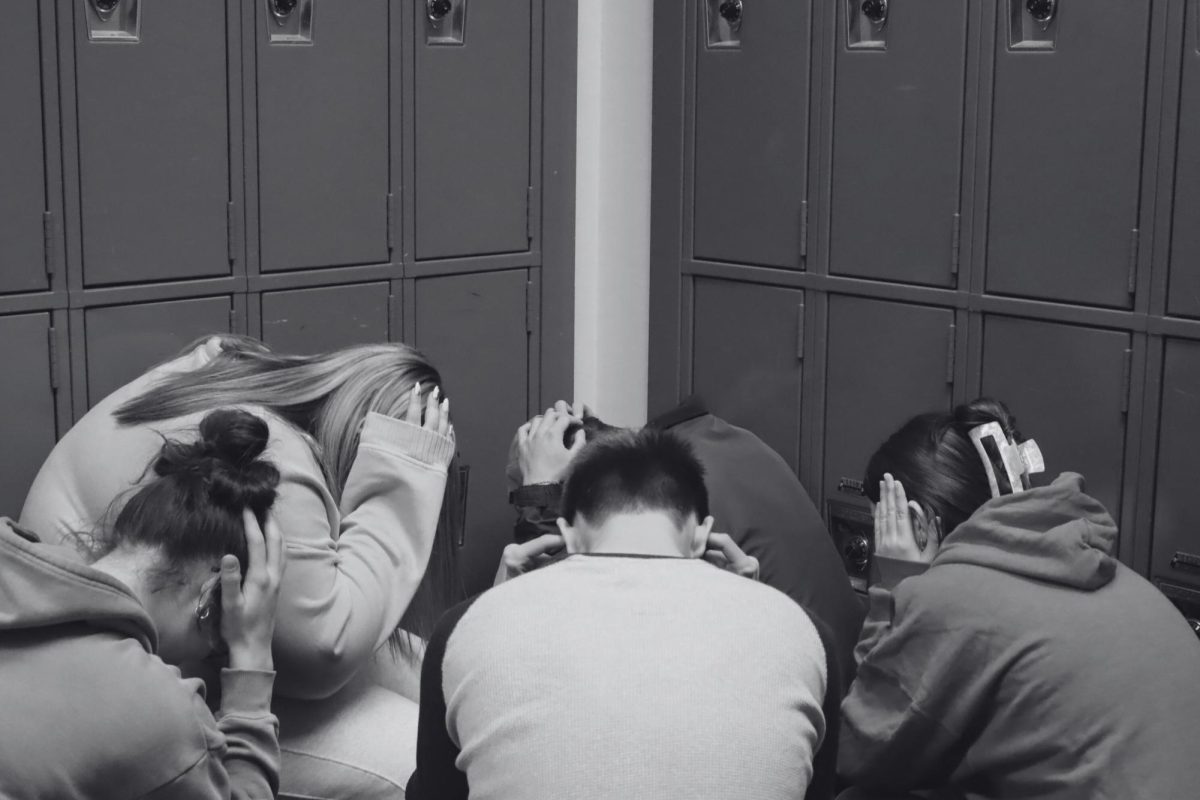
The most common measure used in schools for threatening situations is the use of safety drills – lock-ins and lock-outs. That being said, very few students take these drills seriously — we live in a city where crime is belittled to littering and speeding. As of right now these drills are one of the best protocols we can employ against gun violence.
Although there are protocols in place, that doesn’t change the fact that these events should not be happening in the first place. No other countries have such high school shooting rates – and thats not merely coincidental. The US has had 57 times more school shootings than other industrialized countries combined, showcasing that it’s not an overarching societal issue but a legislational one – America is the only developed country with such lenient requirements. In the United Kingdom and in Japan, it is illegal to own a handgun. In Germany, applicants under 25 have to pass a psychiatric exam; and in Finland, citizens must be part of a regulated shooting club and pass various exams.
Up until recently, gun owners in Oregon weren’t required to have a permit to carry a firearm. Measure 114 was passed in 2022, but is still currently under review. This measure would require owners to obtain a permit by passing a background check, as well as going through a safety course.
The current background check buyers go through takes mere minutes, and has a 96% pass rate. With such simple background checks, almost anyone can get a hold of a weapon.
In an ideal world, we could go about our daily lives without the fear of becoming a statistic, but it seems that is no longer the case. We aren’t ignoring the problem, but we aren’t fighting for the solution either – advocating for stricter gun laws and restrictions.
While protocols and drills are crucial to help dissolve a situation in the moment, they do nothing to address why these events happen. Preparation is important, but prevention is much more vital – and much more forgotten.