








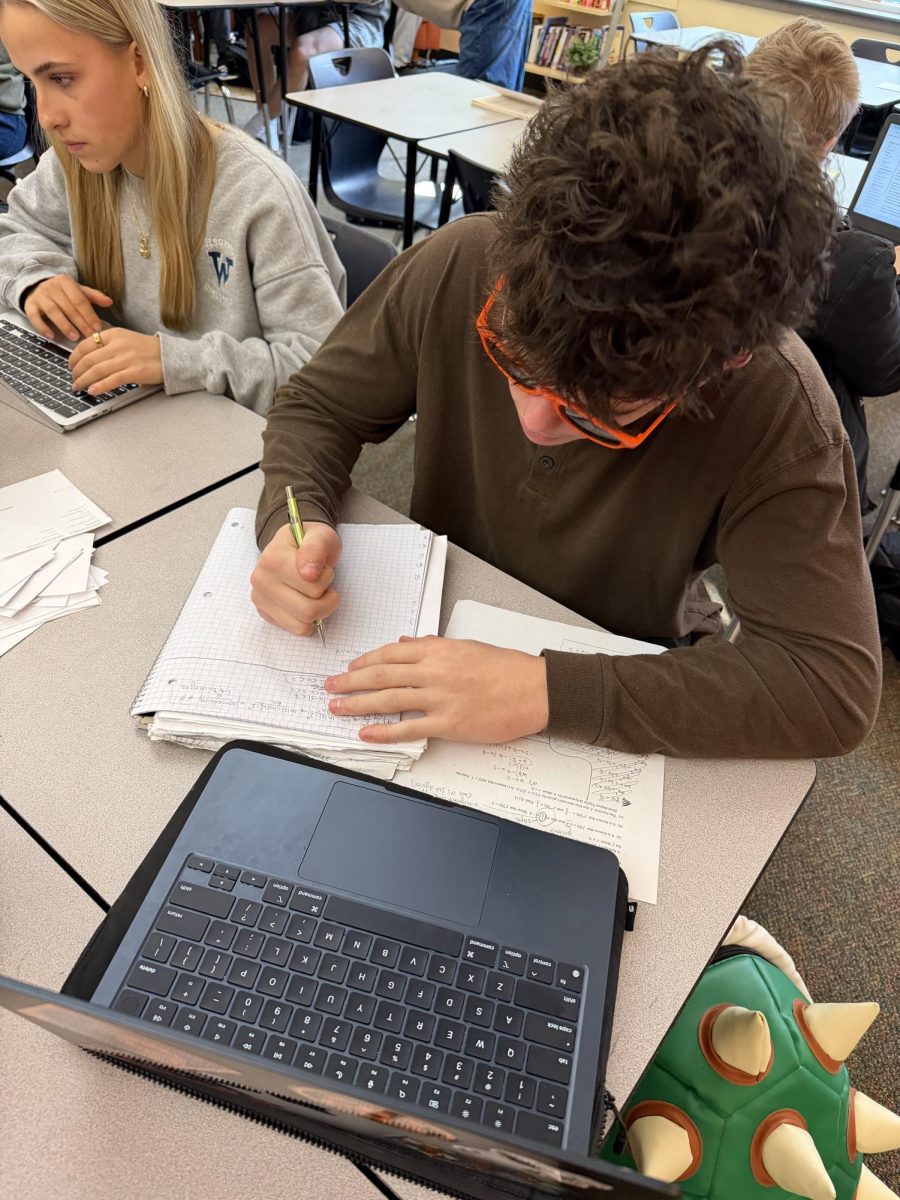
As the new semester begins, students are placed into different class periods, some with 30-40 students and others with 15-25. It really depends on the number of students who decide to take the class and how many students the teacher can manage. This leads to the discussion of whether or not having that many students will benefit or disrupt students’ learning habits.
Students may be forced to wait much longer to learn material that could have been taught in under 10 minutes. Additionally, they will have to rely on classmates to get their work done rather than making noise with other classmates.
Senior Spencer black compares his old class from semester 1 to his new class in semester 2, “Last semester, our period had nearly 40 students. The class was loud and distracting, and it made it challenging to stay on task. This semester, my class size has been nearly halved. A smaller class means more attention given to each student. The teacher doesn’t have to worry as much about keeping the class on task and quiet, so we’re usually able to be more productive and have more time to work.”
An example of a classroom that demonstrates both class periods with a heavy number of students and with a low number of students, is Mr. Jenkins classroom. He has two periods with some of the highest numbers of students present throughout the whole school. As well as two periods with a relatively low number of students.
Big classes may tend to have a higher noise level, and side conversations are harder to control when there are multiple conversations going on throughout the classroom. There is also a lower percentage of participation from everyone. Shy students may get drowned out in the noise, and discussions are more rushed, considering everyone should have a chance to speak.
Senior Hannah Beckley, a student in one of Mr. Jenkins’ bigger classes, comments,
“Larger classes tend to have a higher noise level, and it can be very distracting to me and others. I also think it’s harder to get one-on-one help from the teacher.”
Even so, there can also be many advantages to having a bigger class. Some examples of this include having a wider range of opinions and hearing ideas you may not have thought of on your own. Also, there are more opportunities for group work if you prefer that over working individually.
Classmates may feel less on the spot, and participation doesn’t fall on the same people every time. There may also be more chances to learn from peers when the teacher can’t help you as often. A peer’s viewpoint may be easier to understand compared to a teacher.
As much as big classes have some helpful advantages, so do small classes. In smaller classes, teachers can actually check in with everyone, and students get quicker, more detailed feedback rather than one-word answers.
Senior Norah Arthur, a student in one of Mr. Jenkins’ smaller classes, says, “I think it’s easier to be in a smaller class because there are fewer students, so he can spend more time individually helping students. Also, it’s calmer, and I have it in the morning, so it’s easier to have it when I’m still waking up.”
A better learning environment is usually guaranteed as well in a smaller class. This is because the pace of learning can be adjusted to the group’s needs, and the teacher can work through assignments much faster and efficiently.
However, small classrooms can lead to fewer perspectives in discussions and more pressure to participate. Students can’t blend in as much, and silence can feel more awkward when there are only 20 or so students in a classroom.
Both class sizes have their disadvantages, but the advantages outweigh them all. Whether that means changing certain activities or having seating arrangements in another place. Each class is tailored to fit the needs of the students, and Mr. Jenkins does a great job of executing this approach.