





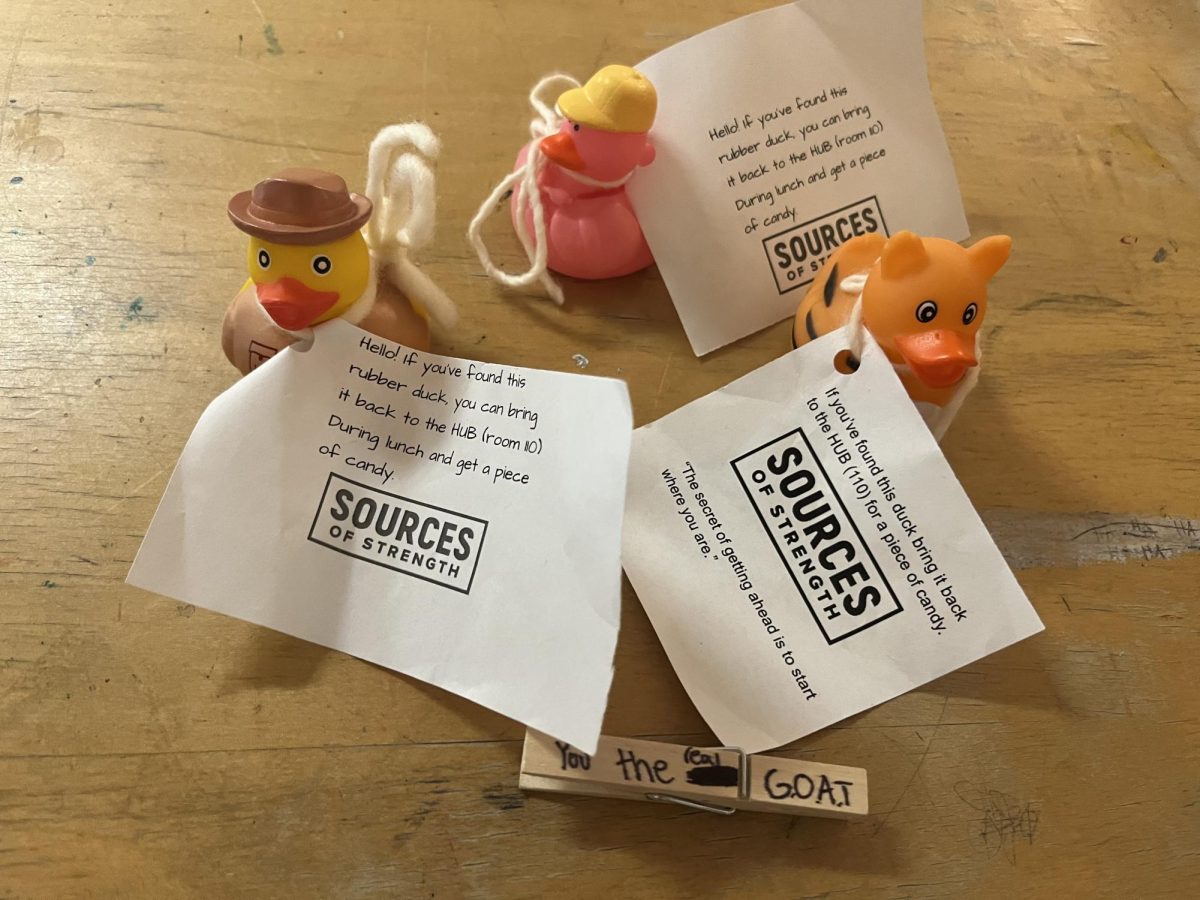
Five years ago, in the West-Linn/ Wilsonville school district, a student-centered mental health initiative began with a straightforward goal: help students better recognize when peers might be struggling. Sources of Strength. What started as a small program has since expanded into a nationwide, strength-based suicide prevention organization now active at Wilsonville High School.
The program focuses on awareness, connection, and early support rather than crisis response. Students participate in structured training alongside teachers, learning how to observe behavioral changes, respond appropriately, and guide peers toward trusted adults or professional resources when needed.
In 2025, fifty-six members completed training, reflecting growing student interest. The organization’s approach emphasizes that students are not responsible for solving serious mental health challenges. Instead, they are taught to notice, listen, and help create an environment where seeking support feels more natural.
A core principle of the program is simple: everyone belongs, and everyone is seen. Training sessions highlight how small actions — checking in, offering kindness, or including someone socially — can contribute to a more supportive school culture without placing pressure on students to act as counselors.
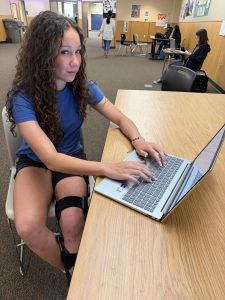
Lauren Brandes, a student member, says the training helped her rethink how everyday interactions matter. “We learned how little things can make someone smile,” she explains. “If someone isn’t feeling their best, even small actions can help make their day better.”
Brandes also notes the program’s emphasis on removing judgment from peer support. “Everyone in the program wants to support you,” she says. “We aren’t going to make you feel judged or worse about yourself. It’s about being approachable.”
Students are encouraged to take concerns seriously, even when they seem minor. “Even if it feels small, come and find support,” Brandes adds. That mindset, she says, helps normalize conversations about stress, anxiety, and emotional challenges common among high school students.
Ava Roberts, another trained member, highlights the organization’s nationwide structure and resource-based approach. “It’s a national program with tools to help with suicide prevention,” Roberts explains. “In training, we learned about resources we can connect others to.”
Roberts emphasizes a boundary consistently reinforced during sessions. “It was made very clear that we aren’t meant to be therapists or counselors,” she says. “We’re here to connect people to resources and to adults who can provide the right kind of help.”
Training also covers decision-making skills. Students learn when to speak up, when to listen, and when situations require adult involvement. This “halfway point,” as described in the program, helps students avoid feeling responsible for outcomes beyond their role.
Roberts believes peer-led support reduces hesitation many students feel. “It can seem intimidating to go to adults,” she says. “When you’re talking to someone your age, it feels more comfortable. It’s like talking to a friend instead of someone above you.”
Faculty supporters say the program complements existing counseling resources rather than replacing them. Ms. Gaede, a teacher involved with the initiative, notes that members are trained both to notice others and to manage their own stress and anxiety.
“We want students to have strategies for coping,” Gaede explains. “It’s also important that everyone knows they are seen. It’s easy for students to feel unnoticed, especially during stressful academic or social periods.”
At Wilsonville High School, the program continues to grow through student participation and teacher collaboration. By focusing on awareness, empathy, and connection, organizers hope to maintain a supportive environment where students feel comfortable reaching out when they need help.